




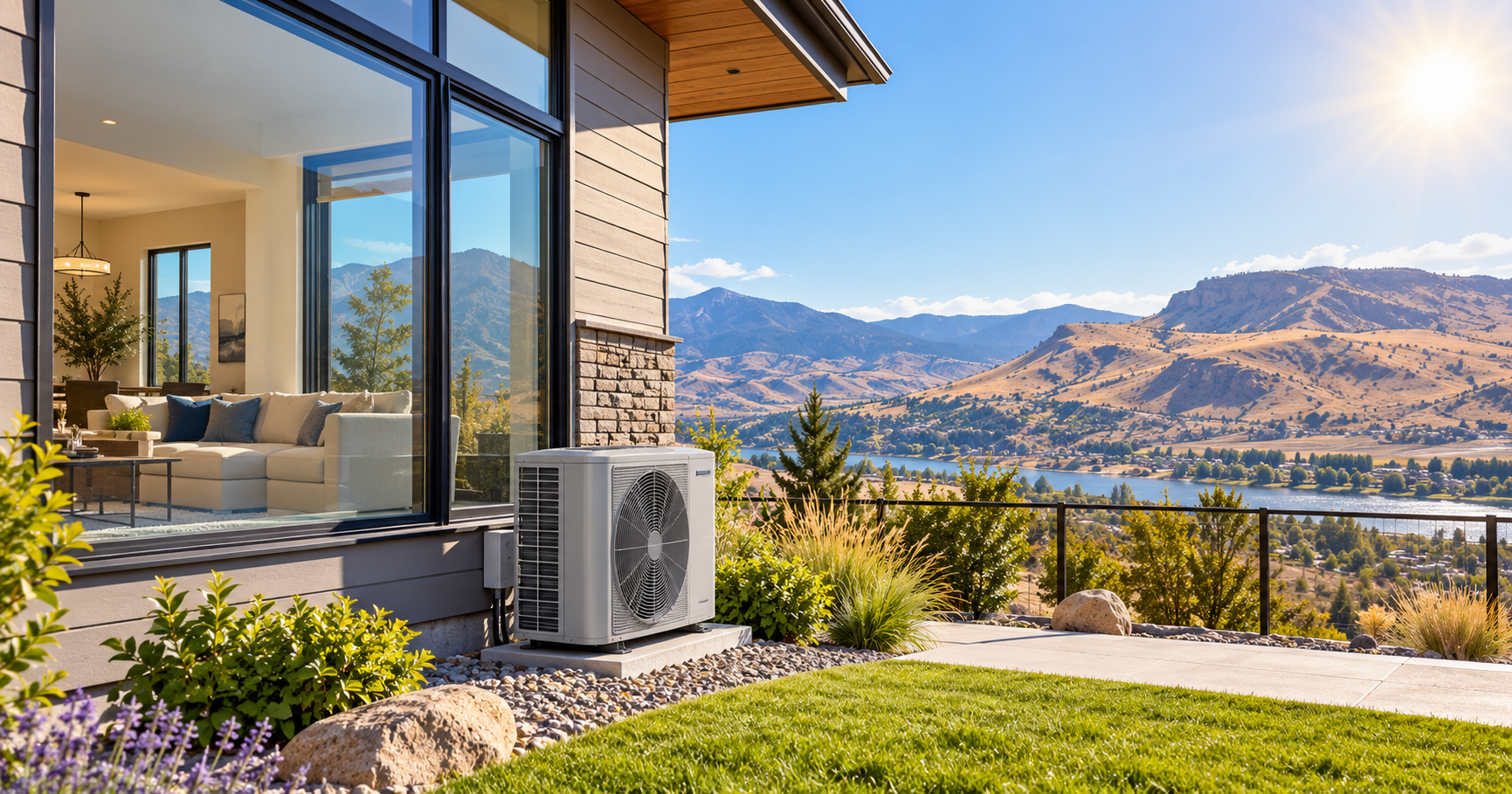
Hot, dry summers can make indoor spaces uncomfortable, especially in homes with strong afternoon sun, limited shade, or older insulation. For many households, air conditioning in Kamloops has become an important part of summer comfort planning. The best results come from considering the entire home, including airflow, insulation, windows, system sizing, and maintenance.
Table of Contents
Why Kamloops Homes Face Distinct Cooling Challenges
Kamloops has a semi-arid Interior climate, so summer cooling needs can differ from those in coastal communities. Homes can absorb heat through roofing, walls, windows, and poorly sealed areas throughout the day. Upper floors and west-facing rooms may become particularly warm after hours of direct sun.
This is why air conditioning in Kamloops should be selected according to the property rather than equipment capacity alone. Floor area, ceiling height, window orientation, insulation, air leakage, duct condition, and occupancy all affect cooling demand.
Correct sizing matters. A system that is too large may cycle frequently, while one that is too small may struggle during hotter periods. A professional cooling-load assessment can help identify suitable capacity and reveal airflow or ductwork issues before installation.
Air Conditioning in Kamloops Works Best With the Whole Home
Installing cooling equipment does not remove every source of heat gain. Air conditioning can work more effectively when the building itself helps limit unnecessary heat entry. Closing blinds during peak sun, sealing obvious air leaks, and using heat-producing appliances during cooler parts of the day can reduce indoor heat. Insulation and air sealing can also slow heat transfer and reduce the burden on cooling equipment.
A whole-home approach is particularly useful because comfort problems do not always begin with the air conditioner. Heat entering through the attic, windows, gaps around doors, or poorly insulated areas may cause a cooling system to operate longer than necessary.
Keeping Cool Through a Kamloops Heat Dome
Keeping cool through a Kamloops heat dome requires preparation before outdoor temperatures peak. A cooling system with weak airflow, a clogged filter, blocked outdoor equipment, or an unresolved mechanical issue may have more difficulty during prolonged heat.
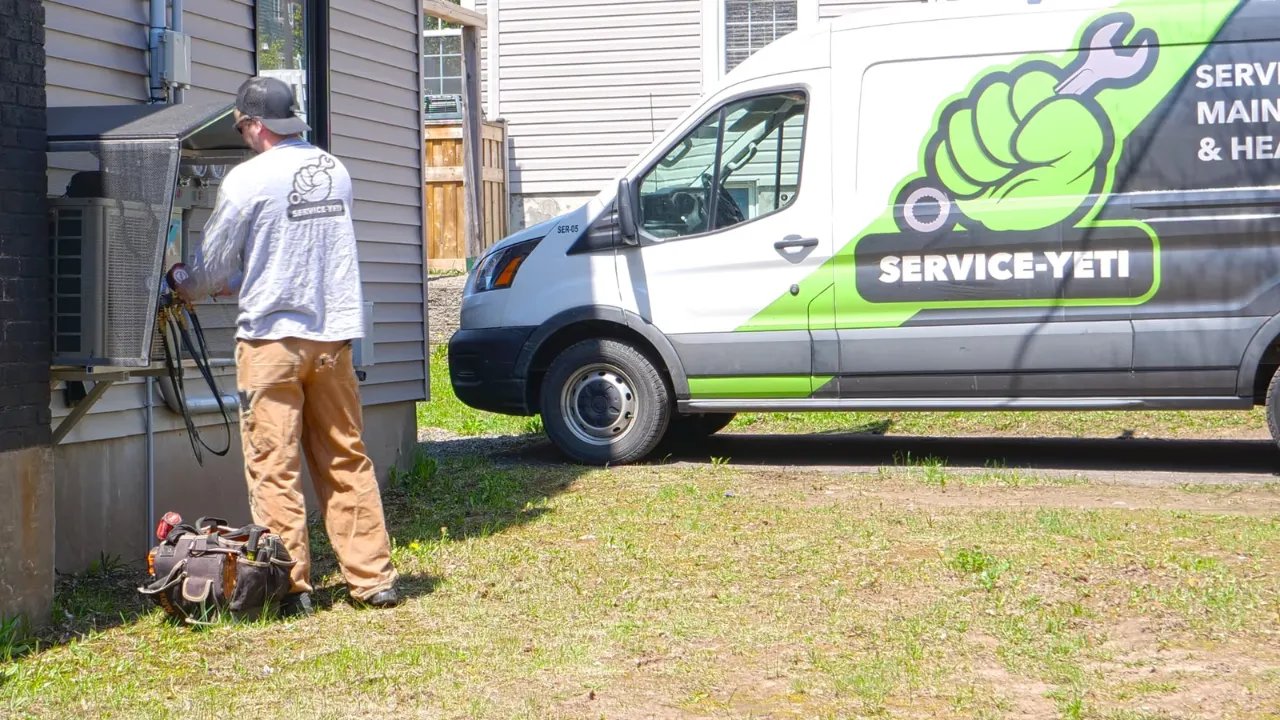
Before extreme weather, homeowners can check accessible filters, keep outdoor units clear of debris, close window coverings during the hottest hours, and pay attention to unusual noises or performance changes. Technical work should be handled by a qualified HVAC professional.
Air conditioning can support a more manageable indoor environment during very hot conditions, but households should also follow official heat alerts and public-health guidance. Cooling equipment should be treated as one part of a broader extreme-heat plan.
Should Homeowners Consider a Heat Pump?
Many homeowners compare conventional air conditioning with heat pumps because a heat pump can cool in summer and provide heating in colder months. Heat pump installation in Kamloops may suit a range of properties, but the decision should be based on the home, existing heating system, electrical capacity, and comfort goals.
Ducted systems may suit homes with suitable ductwork, while ductless mini-splits can serve homes without central ducts. Before arranging heat pump installation, homeowners should ask about sizing, electrical requirements, low-temperature performance, and whether supplemental heating is appropriate. A heat pump should not be chosen solely because it provides both heating and cooling. The equipment still needs to match the building’s heating load, cooling requirements, layout, and existing infrastructure.
Maintenance and Indoor Comfort
Routine maintenance can affect how efficiently a system operates. Dirty filters may restrict airflow, while debris around an outdoor unit can interfere with heat transfer. Thermostat faults, drainage issues, or other mechanical problems may also reduce performance. Homeowners using air conditioning in Kamloops should follow the manufacturer’s maintenance guidance. Uneven cooling, weak airflow, unusual cycling, or unfamiliar noises are reasonable signs that an inspection may be helpful.
Greenfoot Energy Solutions provides air conditioning, heat pump, insulation, and related home-energy services through its British Columbia location. A property-specific assessment can help identify whether maintenance, repair, replacement, or another efficiency improvement deserves attention.
Wildfire Smoke and Summer Cooling
Hot summer weather can overlap with wildfire smoke. During smoky periods, mechanical cooling may become more important when windows are kept closed. However, an air conditioner should not automatically be treated as an air-cleaning system. Filtration depends on the equipment, filter type, ventilation setup, and airflow requirements.
Homeowners considering changes to filtration should review the equipment manufacturer’s recommendations or seek qualified HVAC advice. Installing a filter that is not appropriate for the system may affect airflow and overall operation.
Choosing the Right Cooling Approach
There is no single cooling setup for every home. Central systems may suit properties with usable ductwork, while ductless systems offer room-by-room control. Before investing in air conditioning in Kamloops, ask how the equipment was sized, what maintenance it needs, and whether insulation or airflow improvements should be addressed first.
Homeowners may also want to compare installation requirements, operating efficiency, thermostat controls, equipment location, noise levels, and long-term maintenance needs before making a decision. Greenfoot Energy Solutions can also be considered by homeowners researching local cooling and heat-pump options. Looking at the whole property instead of only the equipment can support a more informed HVAC decision.
Frequently Asked Questions
Why is air conditioning in Kamloops useful during a summer?
Air conditioning in Kamloops can help maintain steadier indoor temperatures during extended hot, dry weather. Its effectiveness also depends on insulation, shading, airflow, system sizing, and maintenance.
Is a heat pump the same as an air conditioner?
Both can provide cooling, but a heat pump can also provide heating. This makes heat pump installation in Kamloops worth considering for households that want one system to support both seasons.
Are cold-climate heat pumps suitable for winter?
Cold-climate heat pumps are intended for lower outdoor temperatures, but capacity varies by model. Manufacturer data and a building heat-loss assessment should be reviewed before choosing equipment.
What should I do before an extreme-heat event?
Keeping cool through a Kamloops heat dome is easier when cooling equipment is checked in advance. Review filters, airflow, outdoor-unit clearance, window coverings, and any existing performance concerns.
How is the right AC size determined?
System size should be based on a cooling-load calculation rather than floor area alone. Windows, insulation, orientation, air leakage, occupancy, and ceiling height can all influence the required capacity.
Conclusion
Hot, dry summers make cooling an important part of home-comfort planning in the Thompson Valley. Air conditioning in Kamloops can support steadier indoor temperatures, but strong performance depends on correct sizing, insulation, airflow, shading, maintenance, and practical thermostat use. Some households may also find that heat pump installation offers a useful year-round option and can be assessed for properties that need both summer cooling and winter heating. By evaluating the entire home and preparing before extreme heat arrives, homeowners can make more informed HVAC choices and take a practical approach to keeping cool through a Kamloops heat dome.
Exploring local cooling options? View the Kamloops service location on the map for air conditioning and heat-pump support.