






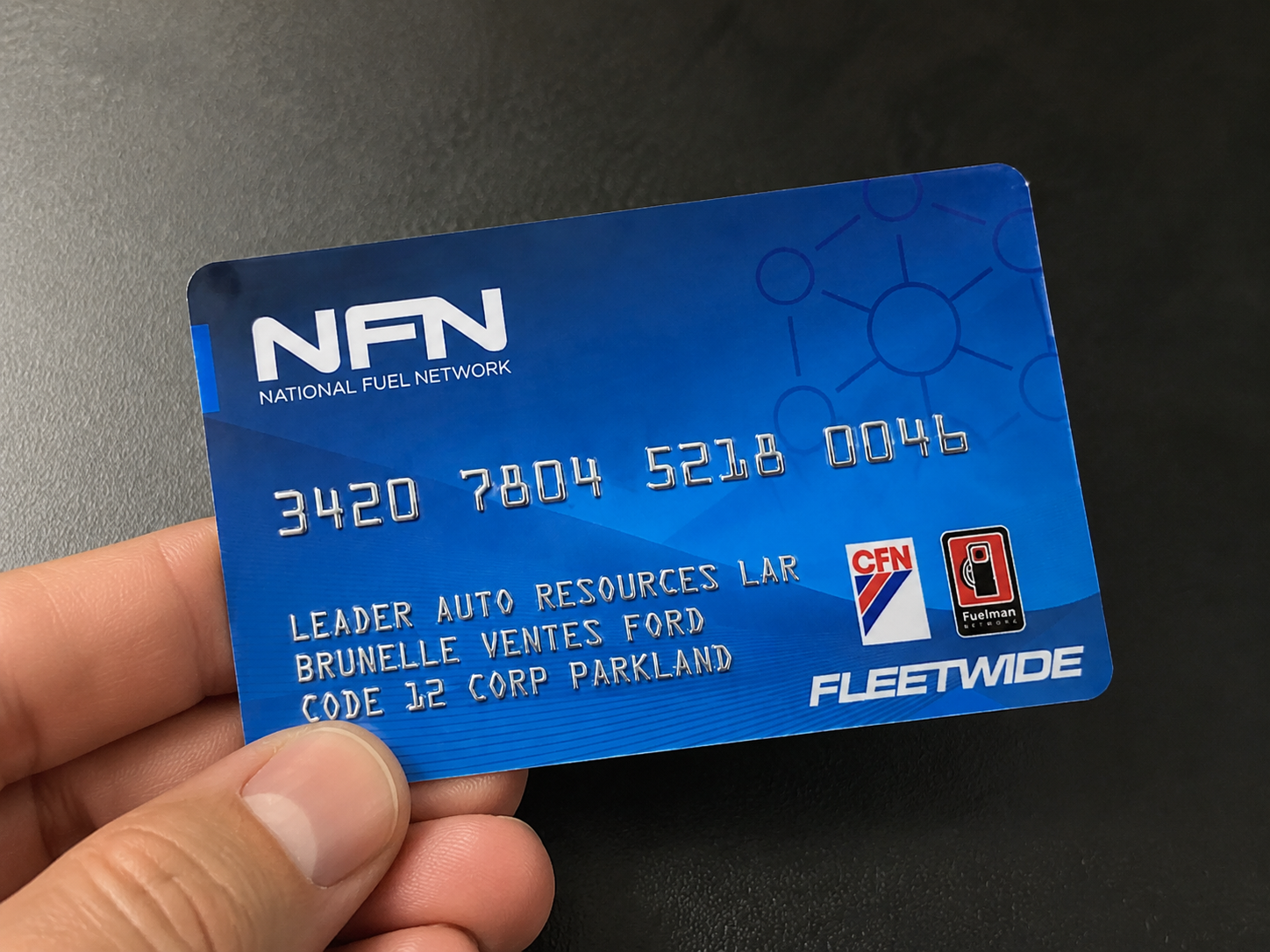
Managing fuel expenses is one of the biggest challenges for businesses that operate company vehicles. Whether a company manages delivery trucks, service vehicles, transportation fleets, or employee vehicles, fuel spending can quickly become difficult to control without proper tracking and management.
Table of Contents
- What Is a Fleet Fuel Card and How Does It Work?
- Key Benefits of Using a Fleet Fuel Card
- Who Can Benefit From a Fleet Fuel Card?
- Important Factors to Consider Before Choosing a Fuel Card
- How Businesses Can Maximize Fleet Fuel Card Benefits
- Choosing the Right Fleet Fuel Solution for Business Needs
- Conclusion
A fleet fuel card offers businesses a practical way to simplify fuel purchases, monitor spending, and improve operational efficiency. Instead of relying on traditional payment methods and manual receipts, companies can use specialized fuel solutions designed for better expense visibility and control. For businesses looking to reduce unnecessary fuel costs and improve financial management, understanding the benefits of a commercial fleet fuel card can help them determine whether this solution is right for them.
What Is a Fleet Fuel Card and How Does It Work?
A fleet fuel card is a payment solution designed specifically for businesses that manage multiple vehicles. It allows drivers to purchase fuel at approved locations while giving business owners and fleet managers access to detailed transaction information.
Unlike standard credit cards, fuel cards are built around fleet management needs. They can provide information such as:
- Fuel purchase dates and locations
- Vehicle-specific spending details
- Fuel quantities and costs
- Driver usage activity
- Expense reporting information
Most programs let businesses set purchase controls, helping prevent unauthorized spending and improve driver accountability. Companies of all sizes can use a commercial fuel card, from small businesses with a few vehicles to large organizations managing extensive transportation operations.
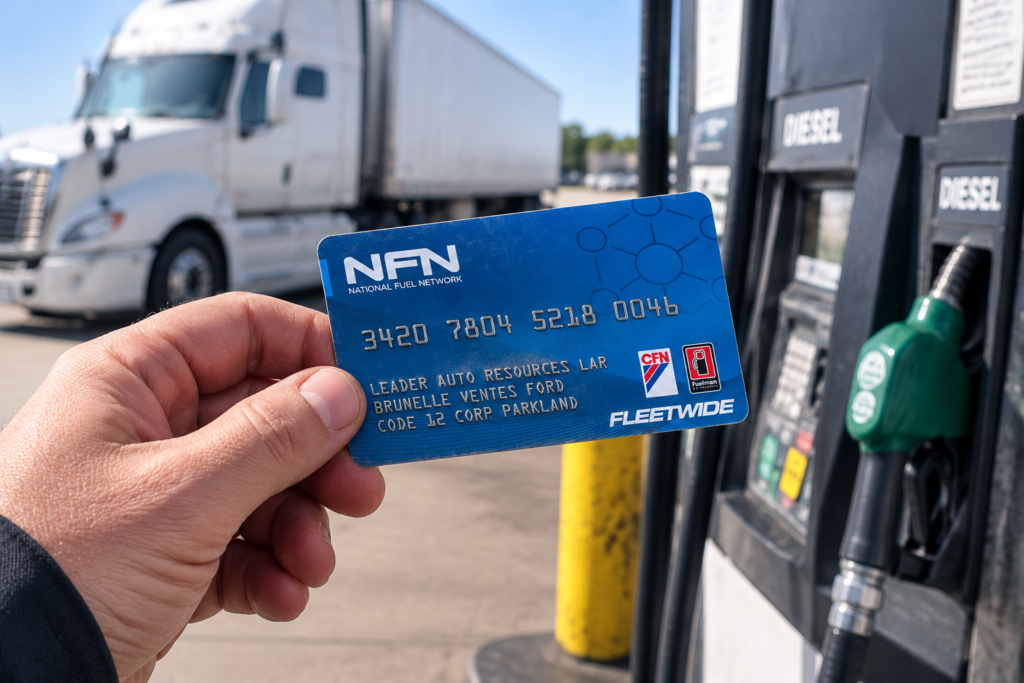
Key Benefits of Using a Fleet Fuel Card
1. Better Control Over Fuel Expenses
Fuel costs can change frequently, making it difficult for businesses to maintain accurate budgets. A fleet fuel card gives companies greater visibility into fuel spending by organizing transactions in one centralized system.
Fleet managers can review purchase patterns, identify unusual activity, and understand where money is being spent. This transparency helps businesses make smarter decisions about fuel use.
2. Simplified Expense Tracking and Reporting
Managing paper receipts and manually recording fuel purchases takes valuable time. A fuel card system reduces administrative work by automatically recording transaction details. Businesses can use digital reports to analyze fuel expenses, prepare accounting records, and identify opportunities to improve efficiency. This is especially useful for companies with multiple drivers because managers don’t have to rely on individual receipts or handwritten reports.
3. Improved Driver Accountability
When employees use personal payment methods for company fuel purchases, tracking expenses can become complicated. A fleet fuel credit card connects fuel transactions with specific vehicles or drivers.
Companies can create purchasing rules based on business requirements, such as:
- Approved fuel locations
- Spending limits
- Purchase restrictions
These features help reduce misuse and encourage responsible fuel management.
4. Potential Cost Savings
Fuel cards may help businesses lower operating costs by offering pricing advantages, reporting tools, and better spending control. By reviewing fuel data regularly, businesses can identify inefficient driving habits, unnecessary purchases, and areas to reduce fuel consumption. For example, if reports show that one vehicle consistently uses more fuel than similar vehicles, managers can investigate maintenance issues, driving patterns, or route efficiency.
5. More Efficient Fleet Management
Fuel expenses are closely connected to overall fleet performance. With accurate fuel information, businesses can make better decisions about vehicle operations. A commercial fuel management card supports fleet managers by providing useful data that can improve planning, budgeting, and daily operations. Companies can use fuel reports alongside maintenance schedules, route planning, and vehicle performance data to create a more efficient fleet strategy.
Who Can Benefit From a Fleet Fuel Card?
A fleet fuel card can benefit many industries that rely on vehicles for daily operations. Common users include:
- Delivery companies
- Construction businesses
- Transportation providers
- Service contractors
- Landscaping companies
- Utility businesses
- Sales organizations with company vehicles
Any business that spends regularly on fuel may benefit from improved tracking and centralized payment management.
Small businesses often use fuel credit cards to gain better control over expenses, while larger organizations use them to manage complex fleet operations across multiple locations.
Important Factors to Consider Before Choosing a Fuel Card
Not every fuel card program works the same way. Businesses should evaluate several factors before selecting a solution.
- Fuel Network Availability: Confirm whether the card works at locations convenient for your drivers. A strong fuel network can reduce travel interruptions and simplify refueling.
- Reporting Features: Detailed reporting tools help you understand spending patterns. Look for systems that provide clear transaction data and useful management insights.
- Account Controls: Consider whether the program offers settings that match your operational needs. Flexible controls can help maintain better oversight of fuel purchases.
- Business Goals: The right fuel credit card should support specific business objectives, whether those goals involve reducing costs, improving reporting, or simplifying administration.
How Businesses Can Maximize Fleet Fuel Card Benefits
To get the most value from a fuel card program, businesses should follow a few best practices:
- Monitor Fuel Data Regularly: Regularly reviewing reports helps identify trends and potential issues before they become bigger problems.
- Educate Drivers: Drivers should understand company fuel policies, approved purchasing practices, and the importance of accurate vehicle usage.
- Combine Fuel Data With Fleet Planning: Fuel information becomes more valuable when combined with maintenance records, route planning, and vehicle performance analysis.
Review Spending Patterns
Regular reviews can help businesses discover opportunities to reduce fuel waste and improve operational decisions.
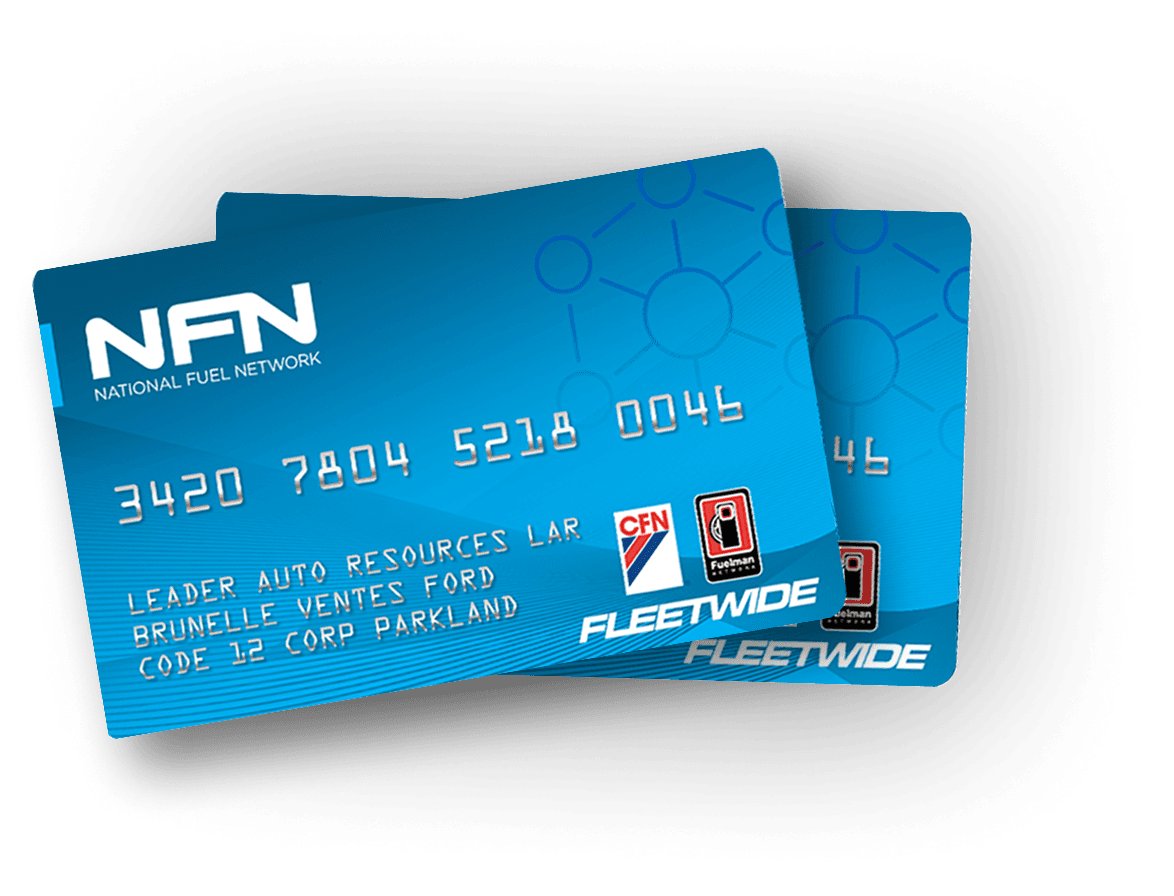
Businesses seeking efficient fuel management solutions can explore options through National Fuel Network and find a program designed around modern fleet needs. Companies in Pocatello and surrounding areas can discover tailored fuel management options by visiting the available service resources and selecting solutions that match their operations.
Choosing the Right Fleet Fuel Solution for Business Needs
Managing fuel expenses requires accurate information, flexibility, and tools that support business growth. National Fuel Network provides businesses with access to fuel card solutions designed to improve expense visibility and simplify fleet payment management.
With features focused on transaction tracking, business control, and fuel expense organization, companies can better manage their vehicle-related costs while improving daily operations. Choosing the right fuel management system lets businesses spend less time on fuel administration and more time focusing on core operations.
Frequently Asked Questions
How does a fuel card help businesses manage vehicle expenses?
A fuel card helps organize fuel purchases, provides transaction records, and lets businesses monitor spending more efficiently.
Can small businesses use fuel management solutions?
Yes. Businesses with only a few vehicles can use fuel management tools to improve expense tracking and maintain better control over operating costs.
Are fuel cards only useful for transportation companies?
No. Any company that operates business vehicles, including service providers and contractors, may benefit from improved fuel expense management.
What information can businesses track through fuel card reports?
Businesses can typically review transaction details, purchase activity, fuel usage patterns, and spending information to support better decisions.
How can companies reduce fuel-related expenses?
Companies can reduce fuel costs by monitoring usage, improving driver practices, maintaining vehicles properly, and regularly reviewing spending data.
Need better control over fuel expenses and fleet spending? Call 877-204-0900 to learn how a fleet fuel card solution can simplify tracking, improve accountability, and help manage vehicle costs with greater efficiency.
Conclusion
Fuel expenses can significantly affect business profitability, especially for companies that rely on vehicles every day. A fleet fuel card provides businesses with better control, easier reporting, and improved visibility into fuel spending. From reducing administrative tasks to supporting smarter financial decisions, fuel card solutions can help businesses manage vehicle expenses more effectively.
By choosing the right program and using fuel data strategically, companies can improve efficiency and build stronger fleet management practices. For businesses seeking a smarter approach to fuel expense control, investing in the right fuel solution can be a valuable step toward better operations and long-term savings.