








Table of Contents
Dental emergencies have a way of showing up at the worst possible times. A knocked-out tooth during a weekend game. A cracked molar the night before an important meeting. A sudden, throbbing toothache that makes it impossible to sleep. Nobody plans for these moments, but the truth is many of the most common dental emergencies are preventable with the right habits and a little awareness.
That doesn’t mean every dental emergency can be avoided. Accidents happen. But a significant number of patients who end up needing urgent care could have reduced their risk with some straightforward changes to how they approach their daily oral health routine.
Understanding what causes the most common dental emergencies puts you in a much better position to avoid them. And if something does happen, knowing where to turn makes all the difference. Patients who need emergency dental services in Agoura Hills have access to prompt, expert care when it matters most. But the best outcome is always the one where you never need to make that call in the first place.
Toothaches and Untreated Decay
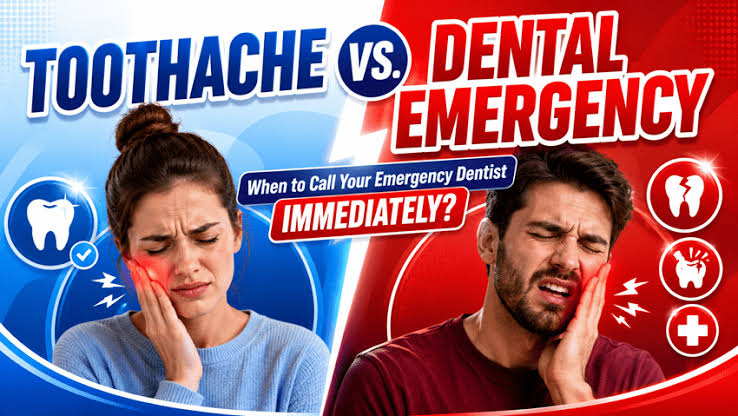
A severe toothache is one of the most common reasons patients seek emergency dental care. In most cases, the pain didn’t come out of nowhere. It built up gradually as decay worked its way deeper into the tooth, eventually reaching the nerve.
The prevention here is straightforward. Regular dental checkups catch decay early, when it can be treated with a simple filling rather than a root canal or extraction. Brushing twice a day, flossing daily, and limiting sugary foods and drinks all reduce the conditions that allow decay to develop in the first place.
If you notice any sensitivity to temperature, mild pain when biting, or a spot on a tooth that looks different, don’t wait to get it checked. Small problems caught early rarely become emergencies.
Cracked or Broken Teeth
Teeth crack for a lot of reasons. Biting down on something unexpectedly hard, grinding teeth at night, an old filling that has weakened the surrounding tooth structure, or simply the accumulated wear of years of use. A cracked tooth doesn’t always hurt right away, which is why many patients don’t realize there’s a problem until the crack worsens or becomes infected.
A few habits significantly reduce the risk of cracked or broken teeth:
- Avoid chewing on ice, hard candies, popcorn kernels, or other hard foods
- Wear a custom nightguard if you grind your teeth during sleep
- Replace old or large fillings before they weaken the tooth around them
- Wear a mouthguard during contact sports or any activity with a risk of facial impact
- Don’t use your teeth to open bottles, packages, or anything else they weren’t designed for
If you already know you grind your teeth, this is one of the most important things to address proactively. Chronic grinding puts enormous pressure on tooth enamel and can cause cracks, fractures, and even tooth loss over time.
Knocked-Out Teeth
A knocked-out tooth is one of the most time-sensitive dental emergencies there is. If a permanent tooth is knocked out, there’s a narrow window, typically thirty to sixty minutes, during which a dentist may be able to reimplant it successfully.
The best prevention is wearing a properly fitted mouthguard during sports and physical activities. This applies to adults as much as it does to children. A custom mouthguard from your dentist offers significantly better protection than a generic store-bought option because it’s made to fit your specific bite and provides more even coverage.
If a tooth does get knocked out, handle it by the crown rather than the root, rinse it gently without scrubbing, and either place it back in the socket or keep it in a small container of milk while you get to a dental office as quickly as possible.
Lost or Broken Dental Restorations
Crowns, fillings, and bridges don’t last forever. When they fail, they can expose the tooth underneath to bacteria, sensitivity, and further damage. A lost crown or filling often feels like an emergency because of the discomfort it causes and the vulnerability it creates for the affected tooth.
Regular dental visits are the best way to stay ahead of this. A dentist can spot a restoration that’s starting to wear down, crack, or loosen before it fails completely. Addressing it proactively is almost always easier, faster, and less expensive than dealing with the aftermath of a sudden failure.
Avoiding very sticky or hard foods also helps extend the life of existing restorations. Chewing ice or very chewy foods puts extra stress on crowns and fillings that can shorten their lifespan significantly.
Dental Abscesses
An abscess is a pocket of infection that develops inside the tooth or in the gum tissue around it. It’s serious. Left untreated, a dental abscess can spread to surrounding tissue and bone, and in rare cases to other parts of the body.
Abscesses don’t develop overnight. They usually start with untreated decay or a cracked tooth that allows bacteria to reach the inner pulp of the tooth. The same preventive habits that reduce the risk of decay and cracking also reduce the risk of abscesses developing.
Signs of an abscess include persistent throbbing pain, swelling in the face or jaw, fever, and a bad taste in the mouth. This is not a wait-and-see situation. Urgent dental care should be sought as soon as these symptoms appear.
Soft Tissue Injuries
Cuts, tears, and injuries to the lips, cheeks, tongue, and gums are less talked about but surprisingly common dental emergencies. They can happen from a fall, a sports impact, biting down accidentally, or even from a sharp piece of food.
Wearing a mouthguard during physical activities protects the soft tissues as much as it protects the teeth. Being mindful during meals and avoiding eating while distracted reduces the risk of accidental bites that can cause real damage to the inside of the mouth.
Building Habits That Prevent Emergencies
Most dental emergencies share a common thread: they’re either the result of neglect over time or a single moment of impact that proper protection could have minimized. The habits that prevent emergencies are largely the same habits that support good oral health overall.
Here’s a quick summary of the most effective preventive steps:
- Visit your dentist every six months for checkups and cleanings
- Brush twice daily and floss every day without exception
- Wear a custom mouthguard during sports and a nightguard if you grind
- Address small dental concerns before they become bigger ones
- Avoid using teeth as tools or chewing on hard, non-food items
- Don’t ignore pain, sensitivity, or changes in your mouth
The single most effective thing you can do is stay consistent with your dental checkups. Most emergencies that patients experience could have been caught and addressed at a routine visit months or even years before they became urgent.
Dental Emergency? We Are Here When You Need Us
Prevention goes a long way, but emergencies still happen. When they do, having a trusted dental team you can call makes all the difference. Agoura Advanced Dentistry offers same-day emergency dental care for patients across Agoura Hills, Calabasas, Westlake Village, Thousand Oaks, Oak Park, and Malibu.
Call (818) 874-3533 or visit agouradds.com as soon as possible. We will get you seen and taken care of.
FAQs
What counts as a dental emergency?
A dental emergency is any situation involving severe pain, a knocked-out or broken tooth, a lost restoration, swelling, or signs of infection that require prompt attention. When in doubt, call your dentist.
What should I do if I knock out a tooth?
Handle the tooth by the crown, rinse it gently without scrubbing, and try to place it back in the socket or keep it in milk. Get to a dental office as quickly as possible, ideally within thirty to sixty minutes.
Can a toothache wait until my next scheduled appointment?
Mild sensitivity might be manageable short term, but a severe or persistent toothache should be evaluated promptly. Pain that keeps you awake or gets worse over time is a sign something needs attention now.
Is a cracked tooth always a dental emergency?
Not always, but it should be evaluated quickly. Some cracks are minor while others can reach the nerve or create an entry point for bacteria. Getting it checked early prevents it from becoming a bigger problem.
How do I find an emergency dentist quickly?
Call your regular dental practice first. Many practices offer same-day emergency appointments or can direct you to emergency care if needed.