


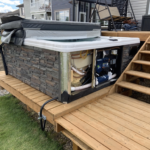






Installing a hot tub can turn an ordinary backyard into a relaxing space for family gatherings and year-round enjoyment. However, proper installation requires more than selecting an attractive model and choosing a convenient location. Before the project begins, consider electrical capacity, wiring arrangements, structural support, permits, and outdoor safety requirements. Homeowners planning hot tub installation in Edmonton sometimes overlook these details, leading to unexpected expenses, installation delays, or potential safety hazards.
Table of Contents
- 1. Ignoring Your Home’s Electrical Capacity
- 2. Choosing an Unsuitable Backyard Location
- 3. Overlooking Ground-Fault Circuit Protection
- 4. Starting Installation Without Required Permits
- 5. Underestimating Edmonton’s Winter Conditions
- 6. Failing to Plan Electrical Wiring Routes
- 7. Choosing an Electrical Contractor Based Only on Price
- 8. Skipping Final Testing and Safety Checks
- 9. Forgetting About Safety Covers and Drainage
- Conclusion
1. Ignoring Your Home’s Electrical Capacity
One of the most common mistakes is assuming the existing electrical system can support a hot tub’s additional power needs. Different models have different voltage and amperage specifications, and larger units often require dedicated electrical circuits. Before arranging hot tub installation in Edmonton, homeowners should have their electrical systems assessed to confirm sufficient capacity.
Why Electrical Panel Capacity Matters
An electrical panel distributes electricity throughout a property. Adding equipment with substantial power requirements increases the electrical load, making an assessment essential.
A qualified electrician can examine the panel’s capacity, existing circuits, and manufacturer specifications to determine whether changes are necessary.
What Should Be Checked Before Installation?
Important electrical considerations include:
- Available electrical panel capacity
- Manufacturer-specified voltage requirements
- Appropriate circuit breaker ratings
- Grounding and bonding arrangements
- Potential electrical panel upgrades
Identifying these requirements early can help avoid unexpected changes once installation work begins.

2. Choosing an Unsuitable Backyard Location
Selecting a location based only on appearance can create practical and safety-related challenges. A hot tub requires a stable supporting surface, appropriate drainage, safe electrical clearances, and convenient access. Professional hot tub installation services help homeowners consider the combined weight of the equipment, water, and occupants.
Before finalizing the placement, consider the following:
- A stable and level foundation
- Sufficient clearance from overhead electrical lines
- Safe access for routine maintenance
- Appropriate drainage around the equipment
- Suitable distance from nearby structures
- Convenient access during winter
If you place the equipment on an elevated deck, a qualified professional should assess the structure’s load-bearing capacity.
3. Overlooking Ground-Fault Circuit Protection
Electricity and water require careful safety precautions. Incorrect wiring or inadequate electrical protection can increase the risk of electric shock.
Ground-fault circuit interrupters, commonly called GFCIs, are protective devices that disconnect electricity when certain electrical faults occur. During hot tub installation in Edmonton, provide appropriate circuit protection in accordance with applicable electrical codes and manufacturer specifications.
Understanding Essential Electrical Safety Measures
Several electrical components contribute to safe equipment operation:
- Ground-fault circuit protection
- Appropriate grounding and bonding
- Suitable outdoor electrical components
- Accessible disconnecting equipment
- Proper electrical connections
These requirements vary by equipment and installation conditions. Qualified electricians should determine which protective measures apply.
4. Starting Installation Without Required Permits
Permits are sometimes overlooked when planning backyard improvements. However, hot tub projects may involve several municipal requirements relating to construction, electrical work, and property conditions. Before selecting hot tub installation services, homeowners should confirm which permits and approvals apply to their installation.
Understanding Local Approval Requirements
Permit applications may require information about the proposed location, equipment specifications, electrical connections, and applicable safety measures.
Why Electrical Inspections Are Important
Inspections help verify that completed work complies with applicable standards and approved requirements.
Depending on the project, inspections may involve electrical connections, underground wiring, and final installation conditions. Skipping required approvals can cause delays, added costs, and difficulty completing the project.
5. Underestimating Edmonton’s Winter Conditions
Edmonton experiences freezing temperatures, snowfall, and seasonal ground movement. These conditions can affect outdoor equipment placement, accessibility, and installation planning. Homeowners arranging hot tub installations should consider whether the selected location remains practical during winter.
Important weather-related considerations include:
- Appropriate outdoor-rated electrical equipment
- Protection from unnecessary moisture exposure
- Safe access during snow accumulation
- Proper surface drainage
- Suitable equipment placement
- Manufacturer recommendations for winter operation
Homeowners should also consider how to clear snow from surrounding walkways without obstructing electrical equipment.
6. Failing to Plan Electrical Wiring Routes
The distance between the electrical panel and the proposed installation location can influence wiring requirements, material quantities, and overall project costs.
Poor planning may result in unnecessary disruptions to landscaping, patios, or other outdoor improvements. For a well-organized hot tub installation in Edmonton, discussing electrical routing before completing backyard construction is an important preparation step.
How Proper Electrical Planning Helps
Electrical planning involves evaluating available infrastructure, equipment requirements, and practical wiring pathways. Homeowners researching residential electrical work can refer to Pro West Electrical for professional hot tub installation services and a better understanding of the essential preparations for a safe outdoor electrical setup.
7. Choosing an Electrical Contractor Based Only on Price
Installation cost matters, but choosing a contractor solely on the lowest estimate can overlook necessary electrical work. Different properties have different electrical capacities, layouts, and equipment requirements. Some installations may involve additional wiring or electrical panel modifications.
When comparing hot tub installation services in the Edmonton area, homeowners should review the proposed work carefully rather than focusing only on the quoted price.
What Should a Detailed Estimate Include?
A clear estimate should identify relevant project requirements, such as:
- Electrical assessment
- Dedicated circuit installation
- Required wiring materials
- Ground-fault protection
- Potential additional electrical work
Understanding the proposed scope makes it easier to compare estimates and establish a realistic project budget.
Why Contractor Qualifications Matter
Electrical installation requires technical knowledge and an understanding of applicable safety standards. Homeowners should confirm that the contractor has the appropriate qualifications and authorization to perform the required electrical work.
8. Skipping Final Testing and Safety Checks
Completing electrical connections does not automatically mean the equipment is ready for operation.
Final testing helps identify potential issues involving voltage, circuit protection, grounding, and electrical connections. Before completing hot tub installations, qualified personnel should verify the system and arrange the required inspections.
Depending on the installation, final checks may include:
- Confirming the correct electrical supply
- Testing ground-fault protection
- Checking grounding and bonding
- Verifying manufacturer requirements
- Completing applicable inspections
Homeowners should also understand basic operating instructions and retain the manufacturer’s documentation.
9. Forgetting About Safety Covers and Drainage
Electrical work is only one part of a complete installation. Homeowners should also consider protective covers, safe access, and appropriate wastewater disposal.
Understanding Outdoor Safety Requirements
Outdoor hot tubs must meet applicable safety and enclosure requirements. The specific measures depend on the installation and relevant municipal regulations. Drainage arrangements also require attention. In Edmonton, hot tub wastewater must go to an appropriate sanitary sewer connection and must not be discharged onto streets or alleys.

FAQs
Does a Hot Tub Require a Dedicated Electrical Circuit?
Many larger hot tubs require a dedicated 240-volt circuit, while some smaller models may use an approved 120-volt connection. Requirements depend on the manufacturer’s specifications.
Are Permits Required for Hot Tub Installation in Edmonton?
Yes. Edmonton requires building and electrical permits for hot tub projects. Development approval may also apply depending on the property.
How Much Does Electrical Installation Cost?
Installation expenses depend on the electrical panel’s capacity, wiring distance, equipment requirements, materials, and applicable permits. Properties requiring additional electrical work may cost more.
Can a Hot Tub Be Installed During Winter?
Winter installation may be possible when weather conditions, site accessibility, and equipment specifications allow safe work. Frozen ground and accumulated snow can make preparation more challenging.
Why Is Professional Electrical Installation Important?
Hot tubs combine electrical equipment, moisture exposure, and significant power requirements. Qualified electricians understand grounding, circuit protection, wiring methods, and relevant safety standards.
Conclusion
Avoiding common installation mistakes starts with proper preparation, a thorough electrical assessment, and careful attention to local regulations. From evaluating electrical panel capacity to choosing a suitable backyard location, every decision influences the overall project. Homeowners planning hot tub installations should understand permit requirements, circuit protection, seasonal conditions, and the importance of final testing. Choosing qualified hot tub installation services helps ensure that important technical considerations are addressed before regular use begins.
Planning a safe and efficient hot tub setup in Edmonton? Find Pro West Electrical on Google Maps for details and directions to connect with professionals for your electrical installation needs.