



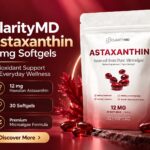





Maintaining good health involves consistent habits, balanced nutrition, regular physical activity, and adequate rest. Interest in ClarityMD astaxanthin reflects a growing desire to understand how naturally sourced antioxidants fit into daily nutrition. Its microalgae-derived formulation and clearly stated dosage offer useful starting points for evaluating supplement quality. Before adding any supplement to your routine, understand its ingredients, the supporting evidence, and how to use it safely.
Table of Contents
- Understanding Astaxanthin and Its Role in Everyday Nutrition
- What Makes Natural Astaxanthin Supplements Worth Exploring?
- Exploring the Potential Benefits of Astaxanthin
- Understanding 12mg Astaxanthin Supplements
- How to Evaluate Supplement Quality and Consumer Feedback
- Incorporating Astaxanthin Into a Balanced Wellness Routine
- Conclusion
Understanding Astaxanthin and Its Role in Everyday Nutrition
Astaxanthin is a reddish-orange pigment belonging to the carotenoid family. It occurs naturally in certain microalgae and contributes to the distinctive coloration of salmon, shrimp, and other marine organisms.
Researchers primarily study the compound for its antioxidant activity. Antioxidants help interact with reactive molecules involved in oxidative stress, a biological process associated with normal metabolism and environmental exposures.
How Does Astaxanthin Work?
Oxidative stress occurs when reactive oxygen species are produced faster than the body can manage them. This imbalance may contribute to cellular damage over time.
Laboratory research suggests astaxanthin can interact with free radicals and influence certain cellular processes. Studies examining ClarityMD astaxanthin and its active ingredient may offer insights into antioxidant support, although human research on oxidative stress markers has produced mixed findings.
Astaxanthin should therefore be viewed as a nutritional compound under investigation rather than a proven treatment for health conditions.
What Makes Natural Astaxanthin Supplements Worth Exploring?
Supplement selection involves more than checking an ingredient’s amount. Source transparency, manufacturing practices, formulation details, and independent testing can help consumers assess product quality.
Naturally Derived Microalgae Ingredients
Another important consideration is where astaxanthin comes from.
The microalga Haematococcus pluvialis is a widely recognized natural source of astaxanthin. Under particular environmental conditions, this organism produces the pigment as part of its biological response.
Consumers researching ClarityMD Hawaiian astaxanthin may want to know about natural sourcing and cultivation practices. However, verify geographic sourcing claims through manufacturer documentation rather than assuming them from product descriptions.

Clearly Identified Supplement Formulation
A straightforward ingredient label makes it easier to determine what a supplement contains.
The brand’s formulation uses 12mg of microalgae-derived astaxanthin, suspended in MCT oil and packaged in a gelatin softgel. Its website also describes independent batch testing and access to laboratory reports.
These details provide a useful basis for reviewing ingredient transparency, but you should examine the testing documentation directly.
Exploring the Potential Benefits of Astaxanthin
Astaxanthin research covers several areas of wellness, but the strength of scientific evidence varies.
Antioxidant Activity and Cellular Health
Researchers have examined whether supplementation influences biological markers associated with oxidative stress. Some controlled studies have identified changes in selected oxidative stress markers, while others have reported limited or inconsistent effects. Research into the active ingredient found in ClarityMD astaxanthin continues to explore its antioxidant properties, although laboratory findings do not necessarily establish meaningful clinical benefits.
A balanced approach weighs promising findings against current research limitations.
Skin Health and Moisture Support
Skin wellness depends on hydration, nutrition, environmental protection, and consistent skincare practices. Interest in antioxidant supplements for skin has encouraged researchers to investigate astaxanthin’s potential effects on skin moisture, elasticity, and appearance.
Some small clinical studies suggest possible improvements in selected skin measurements. However, larger, longer studies are needed to draw reliable conclusions.
Importantly, oral antioxidant supplements cannot replace sunscreen, protective clothing, or appropriate dermatological care.
Eye Health and Visual Wellness
Daily screen exposure and visually demanding activities often encourage interest in nutritional approaches to eye wellness.
Astaxanthin has been studied for potential effects on aspects of visual function and eye comfort. Nevertheless, current evidence does not establish it as a treatment for digital eye strain or eye disease.
Regular screen breaks, appropriate lighting, and routine eye examinations remain important preventive habits.
Understanding 12mg Astaxanthin Supplements
Consider a product’s dosage carefully before starting supplementation.
A 12mg astaxanthin supplement provides a specific amount of the carotenoid per serving. However, clinical studies have investigated different doses, populations, and durations, making universal dosage recommendations difficult.
Does a Higher Dosage Mean Better Results?
Not necessarily.
Higher concentrations do not automatically produce greater benefits. Individual health circumstances, research-supported dosage ranges, and professional guidance should influence supplement decisions. Consumers should also review serving instructions, potential interactions, and current supplement use.
How to Evaluate Supplement Quality and Consumer Feedback
Online information can help identify products worth researching, but reliability matters.
Individuals searching for ClarityMD astaxanthin reviews should distinguish verified customer experiences from promotional material and independently published clinical evidence.
Useful evaluation factors include:
- Clearly stated active ingredients and dosage
- Accessible third-party testing documentation
- Transparent allergen and capsule information
- Manufacturing quality standards
- Realistic descriptions of potential benefits
- Consistent labelling and usage instructions
Customer feedback may describe personal experiences, but testimonials cannot establish medical effectiveness.
Incorporating Astaxanthin Into a Balanced Wellness Routine
A supplement is most useful when considered alongside established healthy habits rather than as their replacement.
Practical Considerations for Daily Use
Astaxanthin is fat-soluble, meaning dietary fat can help facilitate its absorption. Product instructions recommend taking one softgel daily with a meal.
Before starting supplementation, individuals considering ClarityMD astaxanthin should review their current medications, medical conditions, allergies, and other supplements. Pregnant or breastfeeding individuals should consult a healthcare professional because safety information may be limited.
Anyone with a shellfish allergy should also review the manufacturer’s facility-related allergen disclosure.
Alongside ClarityMD wellness supplements, consistent sleep, nutritious meals, physical activity, and preventive healthcare remain fundamental to maintaining good health.

Frequently Asked Questions
What is astaxanthin commonly used for?
Astaxanthin is commonly marketed for antioxidant and general wellness support. Researchers have studied its effects on oxidative stress, skin health, and other biological functions, but many proposed benefits require further clinical investigation.
Is 12mg of astaxanthin suitable for daily use?
Some commercially available supplements contain 12mg per serving. However, suitability depends on individual circumstances, including medications, health status, and professional recommendations. Follow product instructions and seek medical guidance when necessary.
Can astaxanthin help improve skin appearance?
Small human studies suggest astaxanthin may influence certain measurements of skin moisture and elasticity. Results are not guaranteed, and supplements should not replace established skincare or sun protection practices.
Should astaxanthin be taken with food?
Because astaxanthin is fat-soluble, taking it with a meal containing some dietary fat may support absorption. Always follow the specific product’s directions.
How can consumers identify a quality astaxanthin supplement?
Check the ingredient source, amount per serving, additional ingredients, allergen information, independent laboratory reports, and manufacturing transparency. These details are more useful than relying on advertising claims alone.
Can astaxanthin replace other healthy lifestyle habits?
No. Supplements cannot substitute for balanced nutrition, adequate sleep, exercise, recommended medical care, or appropriate treatment. Consider them optional additions to an established wellness routine.
Conclusion
Exploring ClarityMD astaxanthin begins with understanding its natural origins, antioxidant properties, formulation quality, and evolving scientific evidence to make informed decisions about daily wellness.
ClarityMD offers a microalgae-derived formulation with a clearly stated 12mg serving and published testing information. These features may appeal to consumers who value straightforward ingredients and transparency when comparing nutritional products.
Looking to explore antioxidant supplements for daily wellness? Discover ClarityMD’s 12mg astaxanthin softgels, formulated to support eye health, skin wellness, and overall antioxidant protection. Contact ClarityMD via Google Maps and learn more about its approach to everyday wellness.