



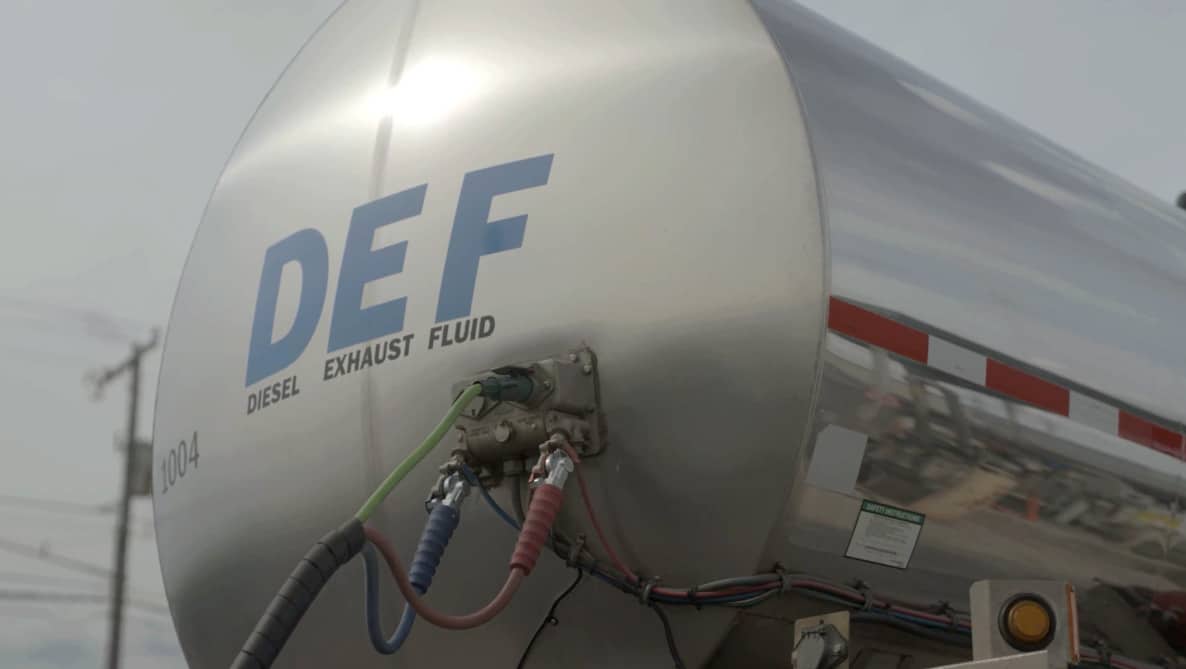
As global awareness of climate change intensifies and governments tighten emissions regulations, industries that rely heavily on diesel engines are seeking cleaner, more sustainable solutions. One such innovation making waves across transportation, agriculture, and construction sectors is DEF fuel—an essential component in the transition to a low-emission future.
Table of Contents
DEF fuel, or Diesel Exhaust Fluid, plays a crucial role in reducing the environmental footprint of diesel-powered vehicles and machinery. From Blue DEF to bulk DEF solutions, the DEF market is evolving rapidly—helping businesses meet compliance standards while maintaining optimal engine performance.
In this guide, we explore how DEF fuel is reshaping diesel operations, why it’s essential for sustainability, and what fleet managers need to know to make the most of this transformative fluid.
What Is DEF Fuel?
DEF fuel is a non-toxic, colorless fluid made up of 32.5% urea and 67.5% deionized water. It’s not a fuel in the traditional sense, but rather a diesel exhaust fluid that works alongside diesel fuel in Selective Catalytic Reduction (SCR) systems.
When injected into a vehicle’s exhaust stream, DEF reacts with nitrogen oxide (NOx)—a harmful pollutant—and breaks it down into harmless nitrogen and water vapor. This process dramatically reduces tailpipe emissions, helping diesel engines meet EPA emissions regulations without sacrificing performance.
Why DEF Fuel Is Crucial for a Low-Emission Future
1. Meets Stricter Emission Standards
The biggest driver behind the rise of DEF fuel is the need to comply with international and national emissions standards. DEF enables diesel engines to meet EPA Tier 4 and Euro 6 regulations, which limit NOx emissions—one of the primary contributors to smog and respiratory issues.
2. Supports Fleet Sustainability Goals
More businesses are adopting environmental, social, and governance (ESG) strategies. Incorporating DEF fuel into fleet operations is a tangible, measurable step toward reducing greenhouse gas emissions and achieving sustainability targets.
3. Boosts Engine Performance
Contrary to early misconceptions, using diesel exhaust fluid doesn’t degrade engine power. Optimizing the SCR system, helps diesel engines run more efficiently and improves fuel economy over time. It also helps extend engine life by reducing wear caused by soot and carbon buildup.
Understanding the DEF Supply Chain
The Role of DEF Suppliers
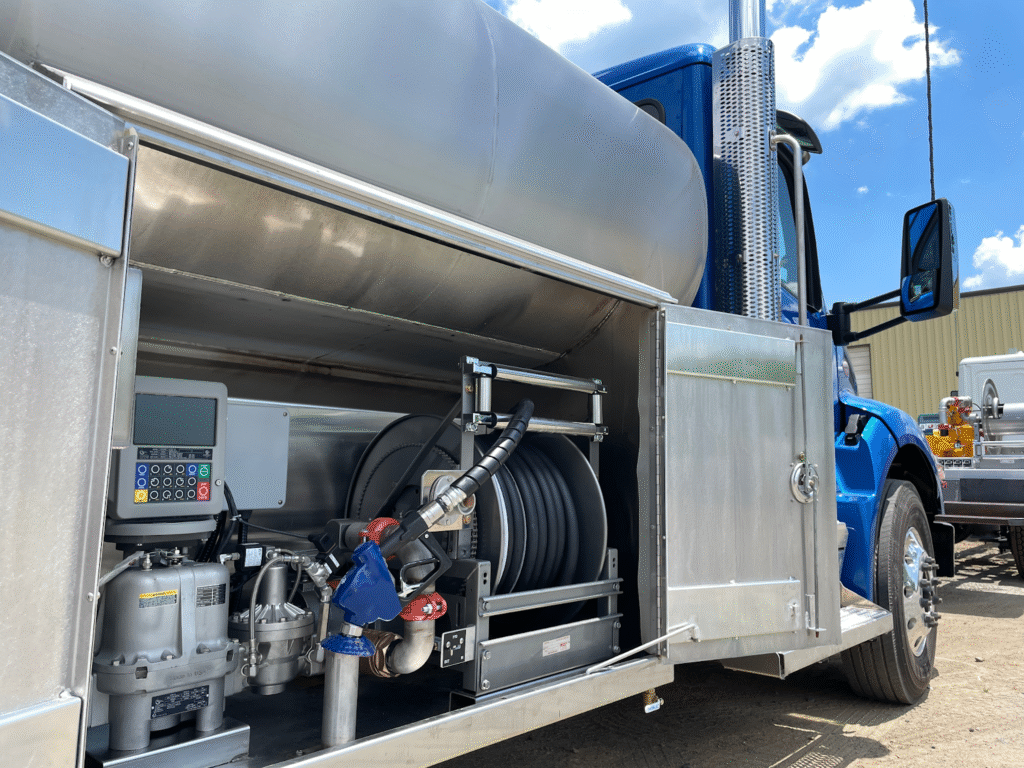
Choosing the right DEF supplier is key to maintaining consistent emissions compliance. Reputable suppliers ensure product purity, timely delivery, and tailored solutions like bulk DEF storage or mobile fueling services. Whether you’re operating a small fleet or managing a large industrial operation, reliable supply is non-negotiable.
Bulk DEF vs. Packaged DEF
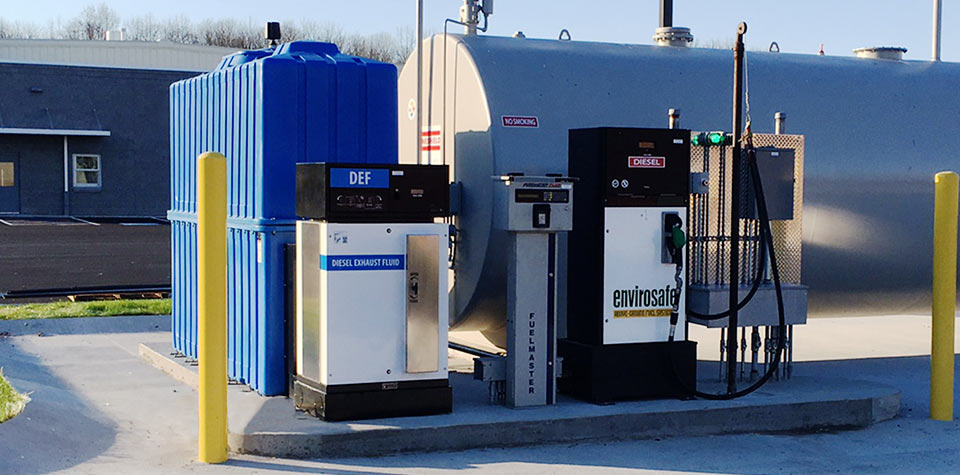
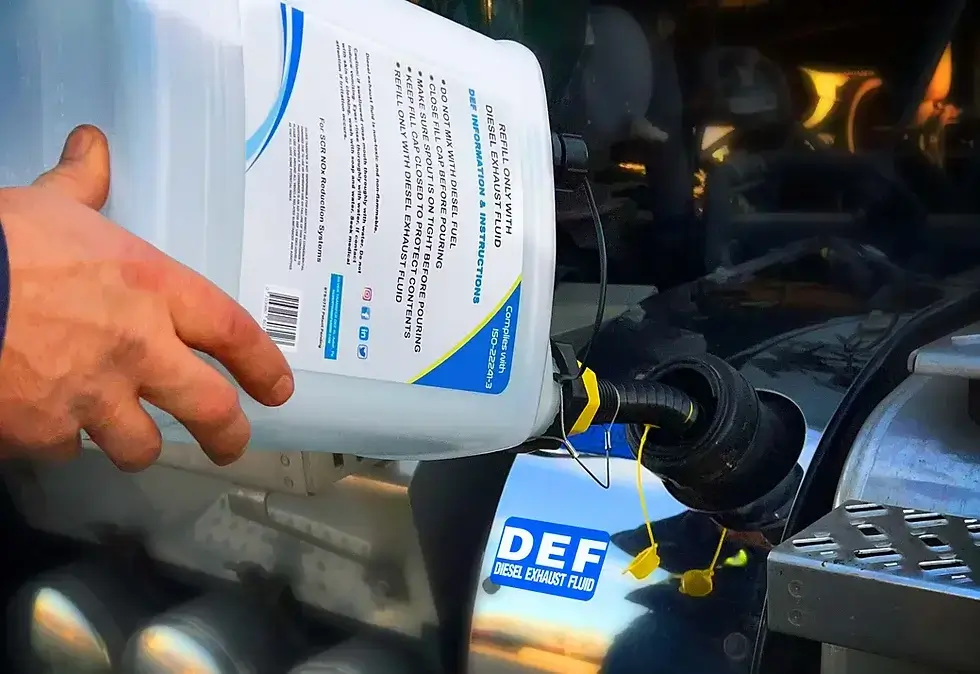
For large fleets, bulk DEF is the most cost-effective and environmentally friendly option. It minimizes packaging waste, reduces per-gallon cost, and ensures on-demand availability. Smaller operations may opt for 2.5-gallon jugs or drums for convenience.
The Rise of Blue DEF and DEF Additives
Blue DEF is a widely recognized brand that meets ISO 22241 standards, ensuring the highest quality and purity. High-quality DEF like Blue DEF helps prevent contamination and clogging of the SCR system.
Additionally, DEF additives are gaining attention for their ability to enhance SCR performance further. These additives help stabilize urea concentration, improve shelf life, and offer resistance to freezing or crystallization—especially useful in harsh climates.
DEF vs. Traditional Emission Controls
Compared to older emission control technologies like Exhaust Gas Recirculation (EGR), SCR systems using these DEF fuel offer better fuel economy and lower engine stress. DEF also doesn’t interfere with engine operation, allowing for more efficient combustion and overall cleaner output.
The Crude Oil DEF Connection
Interestingly, the increased use of DEF is partially influenced by the broader dynamics of the crude oil market. As crude oil prices fluctuate and regulations demand cleaner operations, diesel engine manufacturers and operators are investing more in systems that use DEF fuel to ensure long-term compliance and sustainability.
DEF’s rise is not in conflict with crude oil-based fuels but complements them by enabling cleaner combustion. In a way, crude oil and DEF now go hand-in-hand in many modern diesel applications.
Challenges Ahead
While DEF offers undeniable benefits, the industry still faces several challenges:
- Storage and Handling: DEF is sensitive to contamination and extreme temperatures, requiring proper handling and storage.
- Counterfeit Products: Non-compliant DEF can damage engines and lead to costly downtime.
- Logistics: Ensuring consistent supply, especially in remote areas, requires robust DEF supplier networks.
Fortunately, technological advancements and increased demand are pushing suppliers to innovate and streamline delivery and monitoring systems.
The Future Outlook
The DEF fuel market is expected to grow significantly over the next decade, driven by stricter environmental regulations and global trends toward decarbonization. As electric and hybrid diesel technologies develop, DEF will continue to play a bridging role in the global shift toward cleaner energy.
Expect to see innovations in DEF storage, sensor technology, and even DEF additives that increase efficiency and durability. As DEF suppliers adapt to growing demand, fleet managers and businesses must stay updated to remain compliant and competitive.
FAQs About DEF Fuel
Is DEF fuel the same as diesel fuel?
No. DEF fuel is not a fuel itself—it’s a fluid used in the exhaust system to reduce emissions. It doesn’t mix with diesel fuel but is injected into the exhaust stream via the SCR system.
Can I use water instead of DEF?
Absolutely not. Water lacks the necessary urea concentration and will not reduce NOx emissions. Using anything other than certified diesel exhaust fluid can damage the SCR system and void warranties.
How long does DEF last?
When stored properly (in a cool, dry place), DEF has a shelf life of about 1–2 years. Avoid exposing it to direct sunlight or freezing temperatures to maintain quality.
Is Blue DEF different from other DEF brands?
Blue DEF is a premium, widely trusted brand known for its purity and ISO 22241 compliance. While many DEF brands exist, always verify product quality before purchase.
Where can I buy bulk DEF?
Bulk DEF can be purchased through authorized DEF suppliers, fuel distributors, or fleet fueling services. Many also offer tank installation and monitoring solutions.
Final Thoughts
As industries push toward a cleaner, low-emission future, DEF fuel is proving to be a critical tool—not just for compliance, but for performance and sustainability. From diesel exhaust fluid innovations like Blue DEF and DEF additives to scalable solutions like bulk DEF, the DEF ecosystem is evolving fast.
By understanding your needs, choosing the right DEF supplier, and staying informed, your business can stay ahead in the green diesel revolution—and help shape a healthier planet in the process.